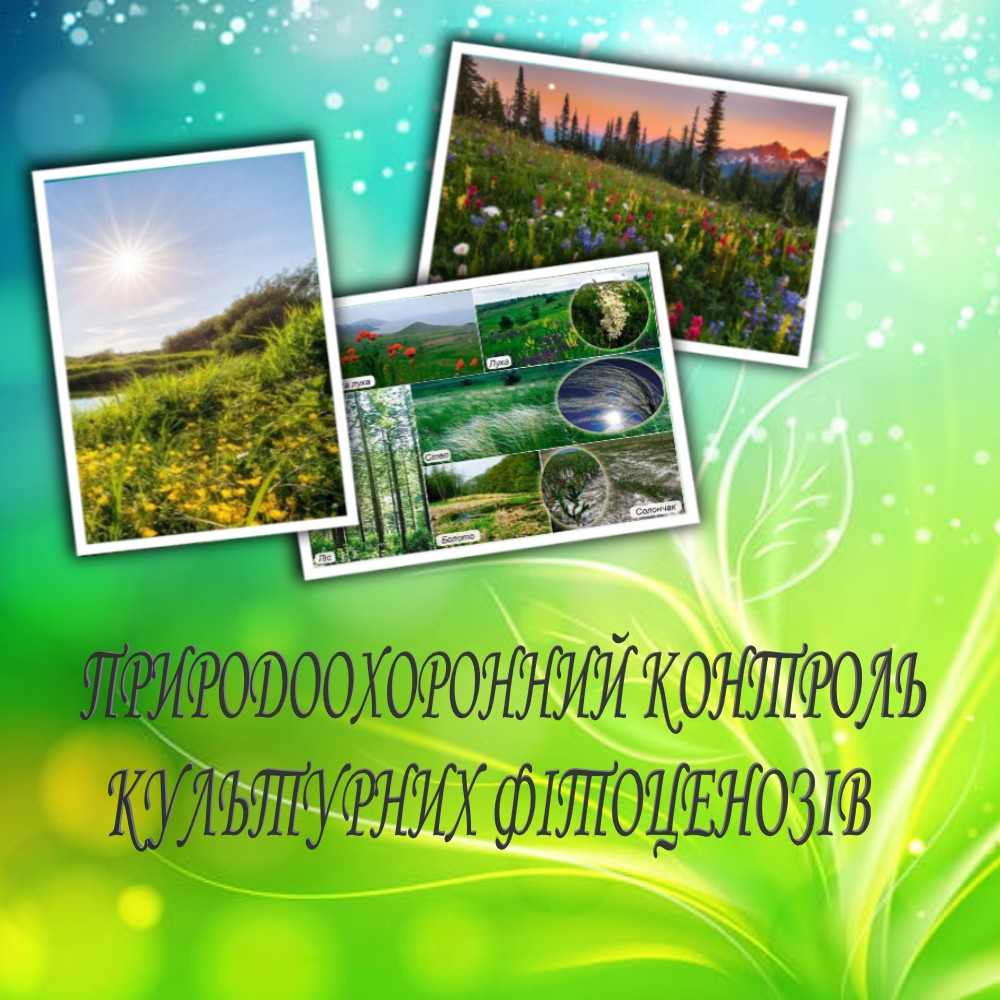
The features of forming and functioning of fitocenoziv and their biotvariety of konsumentiv are investigated and the monitoring and nature protection principles of control is developed. The phytoncidal and other methods of control of biotvariety in computer-integrated defence of plants at the different systems of production of fitoprodukcii is grounded.
Principles of development of perspective educational-scientific directions are grounded: fitoproducentologiya, fitoncidologiya, entomoanfologiya and others like that. Attention is accented on the informative providing of sciences about life.
For wide community of specialists, students and postgraduate students of biological specialities of higher educational institutions aimed.
Table of Contents
FROM THE AUTHOR
INTRODUCTION
- PHYTOCENOSES OF UKRAINE
1.1. Principles of formation and functioning of ecosystems and their phytocenoses
1.2. Natural phytocenoses
1.3. Anthropo-natural phytocenoses
1.3.1. Cultural-natural phytocenoses
1.3.2. Urban landscape phytocenoses
1.4. Cultural phytocenoses
1.4.1. Production of phytoproducts using synthetic technological materials
1.4.1.1. Extensive
1.4.1.2. Intensive
1.4.2. Production of phytoproducts without the use of synthetic technological materials
1.4.2.1. Organic (natural or biological)
1.4.2.2. Biodynamic
1.4.3. The latest systems of technical and information support for the production of phytoproducts
1.4.3.1. No-till technologies
1.4.3.2. Precision agriculture
1.4.3.3. Information phytotechnologies and their information agriculture
- FACTORS INFLUENCE ON PHYTOCENOSES AND THEIR BIODIVERSITY
2.1. Abiotic
2.2. Biotic
2.3. Anthropogenic
- CONSUMERS OF PHYTOCENOSES
3.1. Principles of formation and functioning of consumers
3.2. Phytozoology
3.2.1. Phytonematology (phytohelminthology)
3.2.2. Phytoarachnidology, its phytoacarology
3.2.3. Phytomyriopodology
3.2.4. Phytomolluscology
3.2.5. Phytochordatology, its phytoornithology, phytomammalogy and phytorodentology 3.2.6. Phytohexapodology, its phytoentomology
3.2.7. Phytopathology, its phytomycology, phytobacteriology and virology
- REDUCERS OF PHYTOCENOSES
- MONITORING SYSTEMS OF FACTORS INFLUENCE ON PHYTOCENOSES 5.1. Principles of development of monitoring systems
5.2. Modern monitoring methods
5.3. New monitoring methods
5.3.1. Biocenometer – photoelectric
5.3.2. Photoelectric – biocenometer
5.3.3. Technical vision method
- PRINCIPLES OF PLANT PROTECTION FROM FACTORS INFLUENCE ON PHYTOCENOSES
- CONCEPT OF PHYTOCENOSES PROTECTION FROM BIOTIC FACTORS
7.1. Plant quarantine
7.1. Integrated plant protection
7.2. Natural-synthetic plant protection
7.3. Natural plant protection
7.4. Modern methods of plant protection
7.4.1. Organizational-technological
7.4.2. Agrotechnical
7.4.3. Immunological
7.4.4. Biological
7.4.5. Microbiological
7.4.6. Biotechnical
7.4.7. Mechanical
7.4.8. Physical
7.4.9. Chemical
7.5. New methods of plant protection
7.5.1. Genetically engineered
7.5.2. Abiotic
7.5.3. Phytoncidal
- EDUCATIONAL AND SCIENTIFIC CONCEPT OF THE DEVELOPMENT OF LIFE SCIENCES AND THE PROTECTION OF PHYTOCENOSES
8.1. General principles of the development of life sciences
8.2. Biogeocenology
8.3. Principles of information support for biogeocenology
8.4. Principles of development of phytology, its phytoproducerology
8.4.1. Phytoproducerology, its information support
8.5. Phytoncidology
8.6. Entomoanthology
8.6.1. Flowering periods
8.7. Protection of phytocoenoses
- NATURAL PROTECTION OF PLANTS OF CULTIVATED PHYTOCENOSES ON THE EXAMPLE OF GROWING SEED ALFALFA
9.1. Monitoring system
9.2. Phytocenosis protection systems on the example of alfalfa seed production technology
LITERATURE